Meth Decontamination Auckland
Methamphetamine residue can remain in a property's walls, carpets and HVAC system long after use or manufacture has stopped. Here's how testing and decontamination work, and why the process matters for property transactions and tenancies.
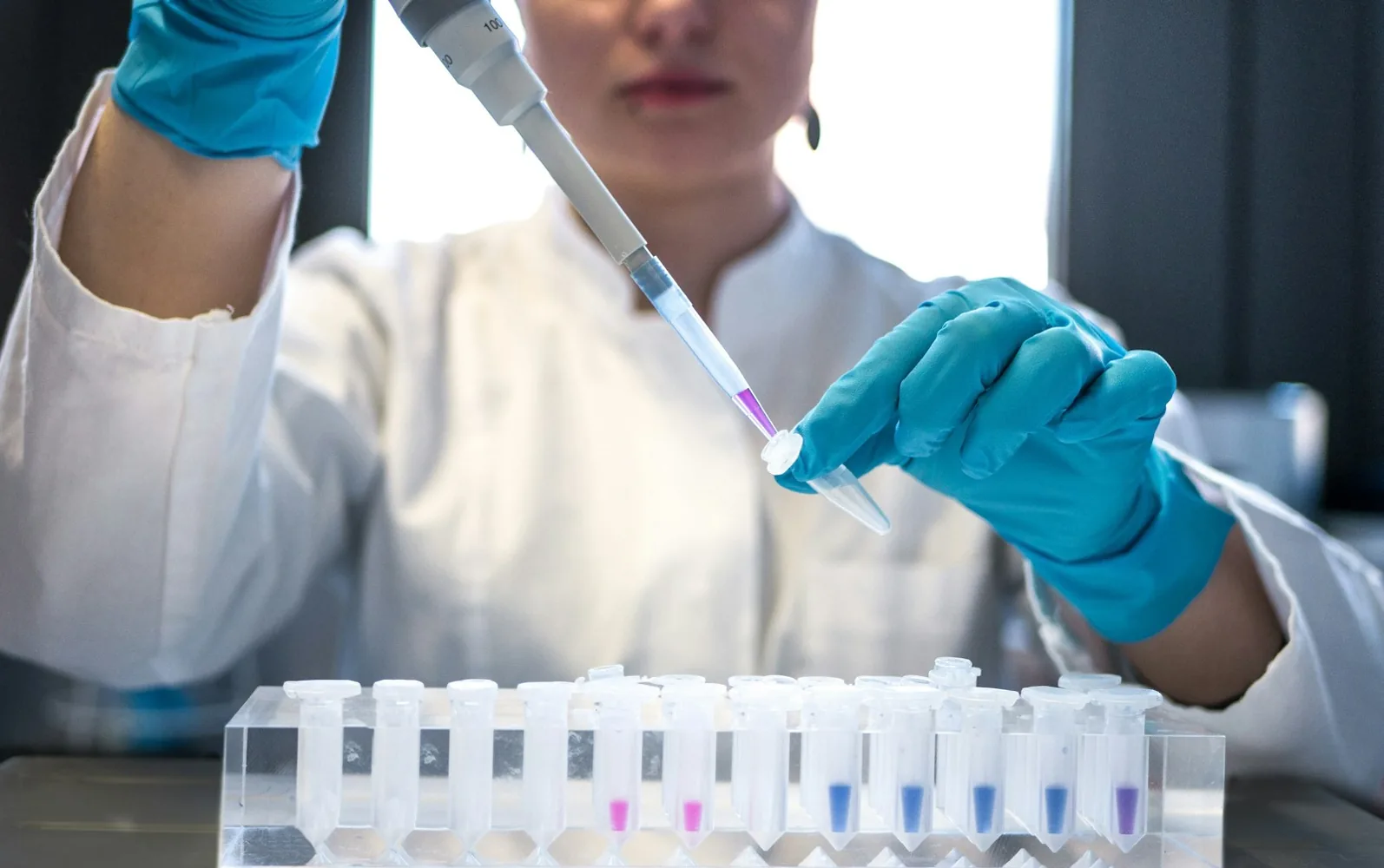
Methamphetamine testing and decontamination for Auckland properties
Methamphetamine use or manufacture inside a property leaves behind chemical residue that can settle into walls, carpets, curtains, HVAC ductwork and other surfaces. Unlike a visible mess, this residue is often not obvious to the eye or the nose, which is why testing is the essential first step before any decision is made about a property's condition.
Exposure to methamphetamine residue has been linked to headaches, nausea, respiratory irritation and other health effects, with particular concern for children and other vulnerable occupants. This is the reason testing and decontamination follow a structured, standards-based process rather than a general clean.
In New Zealand, testing and decontamination of methamphetamine-contaminated properties is guided by NZS 8510:2017, the published national standard covering sampling methods, contamination thresholds and remediation requirements. Following this standard's process gives property owners, landlords, buyers and insurers a consistent, documented basis for decisions about a property.
How testing and decontamination proceed
The process follows the structure set out in NZS 8510:2017, moving from testing through to independently verified clearance.
Initial testing
Surface samples are taken from walls, carpets, curtains and other materials across the property and tested for methamphetamine residue, establishing whether contamination is present and roughly how widespread it is.
Containment planning
If contamination is confirmed, a decontamination plan is prepared setting out which areas and materials need treatment or removal, consistent with the requirements of NZS 8510:2017.
Full decontamination
Affected surfaces are cleaned using methods suited to methamphetamine residue, and porous materials that cannot be adequately decontaminated — such as some carpet, curtains or soft furnishings — are removed and disposed of.
HVAC cleaning
Heating and ventilation ductwork is cleaned separately, since airflow through a contaminated system can redistribute residue to previously unaffected rooms if it is not addressed.
Clearance testing
Once decontamination is complete, independent sampling and testing confirm the property meets the contamination thresholds set out in NZS 8510:2017, with results documented for the property file.
When testing is worth arranging
Testing is commonly arranged around a change in a property's use or ownership — before purchasing a property, before a new tenancy begins, if a tenant is suspected of drug use, or if a previous occupant's history raises concern. It's also reasonable to test simply as a precaution if unexplained health symptoms occur in a property with an unknown history.
A positive test doesn't necessarily mean an entire property needs full decontamination — the scope depends on which areas and materials returned results above the thresholds set out in NZS 8510:2017, which is why a proper test comes before any remediation decision.
- Before buying a property, particularly if its recent occupancy history is unclear.
- Before a new tenancy begins, or when a tenancy ends and drug use is suspected.
- If unexplained health symptoms occur in occupants without another clear cause.
Why decontamination needs a structured process
Methamphetamine residue is a chemical hazard, not a visible or easily cleaned mess, so general household cleaning does not reliably remove it and can, in some cases, redistribute it rather than eliminate it. Decontamination work follows methods appropriate to the chemical involved and is confirmed by independent clearance testing rather than a visual check.
Occupying a property before contamination has been properly tested and, where necessary, remediated carries a genuine health risk, particularly for children, pregnant occupants and people with respiratory conditions.
- Do not rely on a visual inspection or smell to judge whether a property is contaminated — laboratory testing is required.
- Avoid using a suspected contaminated room, particularly for children, until testing results are available.
- HVAC systems should be assessed and cleaned separately from wall and floor surfaces, since airflow can spread residue.
Preparing a property for testing or decontamination
If you're arranging testing ahead of a sale, tenancy or general precaution, having access to all rooms, including any locked or storage areas, allows a more complete sample set to be taken.
If decontamination has been recommended, clearing personal items from the affected areas where practical helps the work proceed efficiently, though this can be discussed as part of the initial assessment.
- Provide access to all rooms, including any that were locked or restricted during a tenancy.
- Note any known history of drug use or previous testing results, if available, to help scope the assessment.
- Keep children and pets out of any area confirmed as contaminated until decontamination and clearance testing are complete.
What affects the scope of testing and decontamination
The scope of a meth decontamination job depends on the extent of contamination found during testing, not a fixed rate applied to every property. Several factors are weighed once initial results are in.
- How many rooms and materials returned results above the NZS 8510:2017 contamination thresholds.
- Whether porous materials such as carpet, curtains or soft furnishings need to be removed rather than cleaned.
- Whether HVAC ductwork requires cleaning in addition to surface decontamination.
- The number of clearance testing rounds needed to confirm the property meets the required standard.
Documentation for property transactions and tenancies
Test results and decontamination records are often required for property transactions, tenancy compliance and, in some cases, insurance purposes. Because these decisions can have significant financial consequences, documentation is prepared to a standard that can be relied on by buyers, landlords, tenants and insurers alike.
Whether cover applies to methamphetamine contamination, and under what circumstances, varies by insurance policy — it's worth checking your specific policy wording or asking your insurer directly.
- Initial test results and any decontamination plan are provided in writing.
- Clearance testing results are documented against the NZS 8510:2017 thresholds for the property file.
- Landlords and property managers can use this documentation to demonstrate tenancy compliance.
Frequently asked questions
What is NZS 8510:2017?
NZS 8510:2017 is the published New Zealand standard covering testing and decontamination of methamphetamine-contaminated properties. It sets out sampling methods, contamination thresholds and remediation requirements, and testing and decontamination work is carried out following its process.
Can I tell if a property is contaminated just by looking or smelling?
No. Methamphetamine residue is often not visible or detectable by smell, which is why laboratory testing of surface samples is the only reliable way to confirm whether a property is contaminated.
Does the whole house need to be decontaminated if one room tests positive?
Not necessarily. Decontamination scope is based on which specific areas and materials return results above the NZS 8510:2017 thresholds, so a positive result in one room doesn't automatically mean the entire property needs treatment.
Why does HVAC ductwork need separate cleaning?
Airflow through a contaminated heating or ventilation system can carry residue into rooms that would otherwise be unaffected, so ductwork is assessed and cleaned as its own step rather than assumed to be clean once surfaces are treated.
How long does testing and decontamination take?
Initial testing typically returns results within a matter of days once samples reach the laboratory. Decontamination itself depends on the extent of contamination found, and clearance testing is scheduled once remediation work is complete.
Request help now
Tell us what's happened and the best way to reach you. One form, no obligation — a member of the team will call you back.