Commercial Disaster Recovery for Auckland Businesses
Commercial properties bring a different set of constraints to disaster response than a single home — multiple stakeholders, ongoing operations and larger footprints all shape how the work is planned and sequenced.
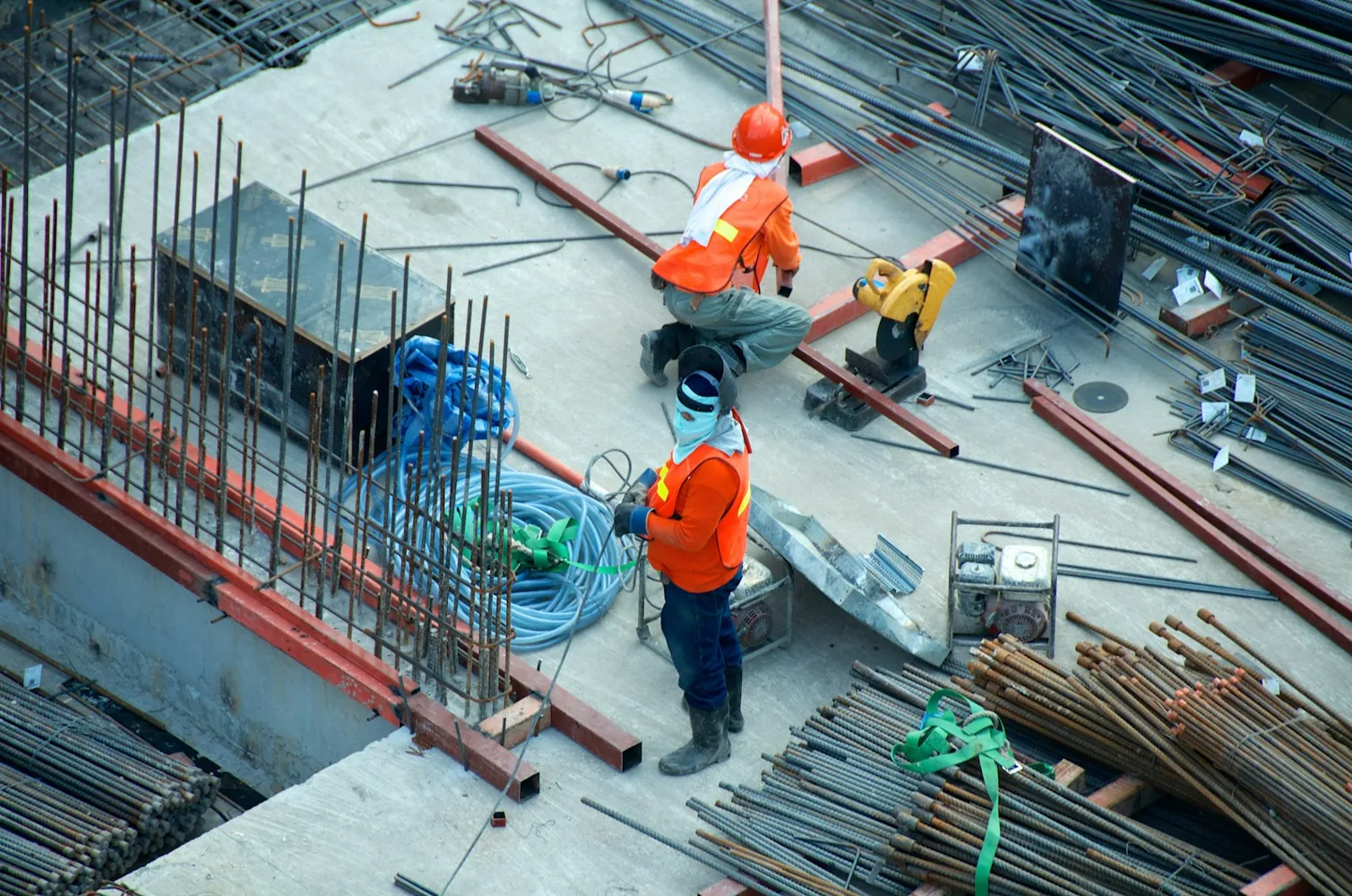
Restoration response for commercial and multi-occupant properties
Facilities managers, landlords, body corporates, schools, healthcare providers and retail operators face a different set of pressures after a water, fire or storm event than a homeowner does. There are usually more people affected — tenants, staff, students, patients or customers — and more stakeholders who need accurate information quickly: an owner, a property manager, an insurer, and sometimes a body corporate committee, all wanting the same clear picture of what happened and what happens next.
The technical work of extraction, drying, cleaning and repair follows the same principles as residential restoration, but commercial and multi-tenant sites add scale and coordination on top: larger floor areas to document, multiple leases or occupancies to consider, and often a need to keep at least part of the site operating while the affected areas are worked on.
This page covers how a commercial job is typically approached — from the first call through to site access, documentation and staged reoccupation. It's general guidance, not a fixed procedure; every commercial site differs in layout, occupancy and risk, and the approach is adjusted to the property in front of us.
How a commercial response is typically coordinated
Commercial jobs tend to follow the same broad restoration sequence as residential work, with extra steps built around coordination and communication.
Initial contact and triage
The first call establishes the nature of the incident, whether anyone is at risk, and whether the affected area needs to be isolated immediately. For larger sites, this call also identifies who has authority to grant site access and approve emergency mitigation work.
Site access and stakeholder coordination
Access is arranged with whoever manages the building — a facilities manager, building owner, or body corporate representative — and, where relevant, affected tenants are notified of what areas are affected and what to expect over the following days.
Assessment and documentation
Larger commercial and multi-tenant sites are documented in more depth than a typical residential job: photographs, moisture readings and a written scope are recorded by area or by tenancy, which supports both the work plan and any insurance claims that follow.
Staged extraction and drying
Work is often sequenced by zone or floor rather than treated as a single job, so equipment and technicians can be concentrated where they're needed most and so parts of the site not affected can continue operating where it's safe to do so.
Ongoing stakeholder updates
Progress is communicated back to the relevant contact — property manager, owner or body corporate — at agreed intervals, particularly where drying is expected to take several days and multiple parties need visibility.
Phased reinstatement and handback
As individual zones or tenancies pass moisture checks, they can often be handed back and reoccupied while drying or repair work continues elsewhere on the site, reducing the portion of the property that's out of use at any one time.
What to do first as a facilities manager or property owner
The first priority after any commercial incident is establishing whether the site, or part of it, is safe to occupy. Water near switchboards, structural damage from fire or storm, or contaminated water are all reasons to restrict access to an area immediately, even if the rest of the building can continue operating.
The second priority is working out who needs to be told and in what order — building owner, insurer, and any affected tenants or occupants. Having an after-hours contact point already identified before an incident happens (see our emergency preparedness guidance) makes this step much faster when it matters.
- Escalate immediately: any incident affecting fire, electrical safety, structural integrity, or areas used by the public, staff, students or patients.
- Coordinate before proceeding: incidents affecting a single tenancy or a contained area where the rest of the site remains unaffected and operational.
Safety considerations specific to commercial and multi-tenant sites
Commercial buildings often have more complex services — larger switchboards, fire systems, HVAC plant, lifts — and more people moving through a site than a typical home, which changes how an area is isolated and how access is managed while work is underway.
- Restrict access to affected zones with clear signage or barriers, particularly in publicly accessible areas such as retail floors, school corridors or healthcare wards.
- Coordinate with the building's own fire, security and building-management systems before starting work, since these are often centrally monitored and can be triggered by dust, moisture or equipment.
- Treat any water that may have contacted commercial kitchens, bathrooms, waste areas or external stormwater as potentially contaminated until assessed.
- Confirm with the site's facilities team whether any hazardous materials (such as older insulation or flooring in an older building) may be present before work begins in affected areas.
Reducing disruption to an operating business
For a business, an incident isn't only a property problem — it's also a continuity problem. A few practical steps help limit disruption while restoration work is carried out.
Having key information ready in advance — after-hours contacts, floor plans, and a basic incident response plan — consistently makes the first hours of a commercial response smoother. See our emergency preparedness and response planning guidance for how to put this together before you need it.
- Identify which areas of the site are essential to keep operating and flag these early so work can be sequenced around them where practical.
- Keep a current site contact list (facilities manager, after-hours security, insurer, body corporate) that can be handed over quickly during an incident.
- Notify affected tenants, staff or occupants of what's happening and roughly what to expect, even before full details are known — uncertainty is often more disruptive than the incident itself.
- Keep floor plans or a basic site layout accessible, since this speeds up both assessment and documentation on larger properties.
What affects the scope and duration of a commercial job
Commercial restoration scope depends on many of the same factors as residential work, plus a few that are specific to larger or multi-occupant sites. There's no fixed price or timeframe that applies across all commercial properties — response time varies by location, site access, and the nature of the incident.
- The size of the affected area and how many separate tenancies, floors or zones are involved.
- Whether the site can remain partially operational during work, which affects how the job is sequenced and how quickly it can be completed overall.
- Access arrangements — after-hours entry, security clearance, or working around occupied hours all affect scheduling.
- The type and age of building materials and services involved, particularly in older commercial stock.
- How many stakeholders need to sign off on scope or approve work, which can affect how quickly a job can proceed from assessment to active drying or repair.
Documentation for commercial insurance and body corporate claims
Commercial and body corporate insurance policies vary considerably in structure — cover may sit with a single business policy, a body corporate's building policy, or a combination of the two depending on where damage occurred. Understanding which policy applies, and to what, is something to confirm with your insurer or broker rather than assume.
Because commercial sites are larger and often involve multiple tenancies, documentation is usually organised by zone or tenancy rather than treated as a single record, which makes it easier for an insurer or loss adjuster to allocate costs correctly across different policies or parties.
- Photographs and moisture readings are recorded by area, floor or tenancy where a site has multiple occupancies.
- A written scope of works can be broken down to align with body corporate versus individual tenancy responsibilities, where applicable.
- Contact your insurer or broker promptly to confirm what emergency mitigation work is authorised before full assessment.
- Ask for documentation in a format that can be shared with multiple stakeholders — owner, tenant and insurer — where more than one party needs the same record.
Frequently asked questions
Can part of our building keep operating while restoration work is underway?
Often, yes. Work is frequently staged by zone or floor so that unaffected areas can continue operating while drying, cleaning or repair work proceeds elsewhere. Whether this is possible depends on the layout of the site and how far the damage has spread, and is assessed case by case rather than guaranteed upfront.
Who do you liaise with on a multi-tenant or body corporate site?
Typically whoever holds authority over the affected common areas or building services — a facilities manager, building owner or body corporate representative — and, separately, any tenants whose individual space is affected. Establishing this contact early is one of the first steps in a commercial response.
Do you provide after-hours contact for commercial clients?
The phone line is available 24/7, since incidents don't happen only during business hours. Response time still varies by location and the nature of the incident, so it's worth having a current after-hours contact and basic site information ready as part of your own emergency plan.
How is documentation different for a commercial claim versus a residential one?
Commercial documentation is usually broken down by zone, floor or tenancy rather than treated as a single record, since more than one policy or stakeholder may be involved. This makes it easier for insurers, brokers or loss adjusters to assess responsibility and cost across a larger or multi-occupant site.
Can you guarantee our business won't need to close during restoration?
No — this isn't something any restoration provider can honestly guarantee. What can be done is planning work in stages, prioritising essential areas, and communicating clearly about timing, so disruption is reduced as much as the specific damage allows.
Request help now
Tell us what's happened and the best way to reach you. One form, no obligation — a member of the team will call you back.